
Updated: March, 2026
One of the trickiest parts of any hiking trip is figuring out what to bring and what to leave behind. We’ve all been there, packing far more than we need, only to end up wearing the same few favorite pieces all week.
After years of doing this, we can confidently say it doesn’t need to be complicated. In fact, the lighter you pack, the more enjoyable your trip tends to be.
The key is simple: choose versatile pieces that work in more than one setting. Today’s hiking clothing is designed to perform on the trail and still look perfectly appropriate at dinner or while traveling. You don’t need a different outfit every day, you just need a few good ones.
How to Approach Your Packing
Think of your packing in three parts: time on the trail, relaxed evenings, and your travel days. Once you break it down this way, it becomes much easier to keep things simple and intentional.
Travel Smart from the Start
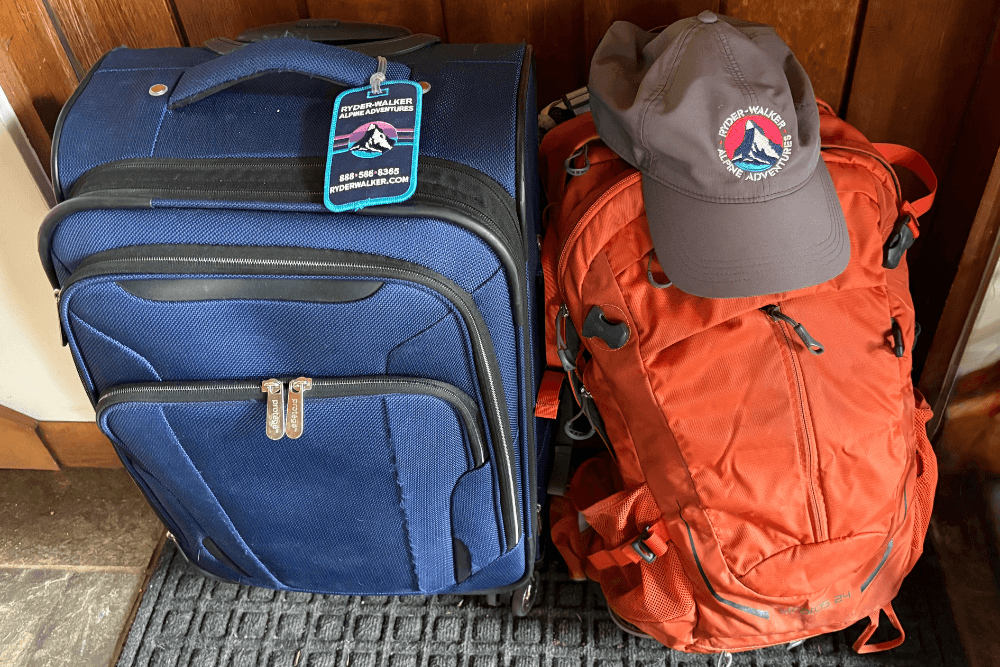
If you’re checking luggage, a little bit of planning goes a long way.
- Identify your bags: Attach your Ryder-Walker luggage tags to both your suitcase and daypack.
- Be trail-ready: Wear or carry on one full hiking outfit, including shoes/boots and a light jacket.
- Keep essentials close: Your daypack should always be with you, stocked with a base layer and rain gear.
If your checked bag is delayed, you’ll still be ready to hike without missing a beat.
Note: Trekking poles must go in your checked luggage, as they are not permitted in carry-on bags.
A Few Simple Packing Tips
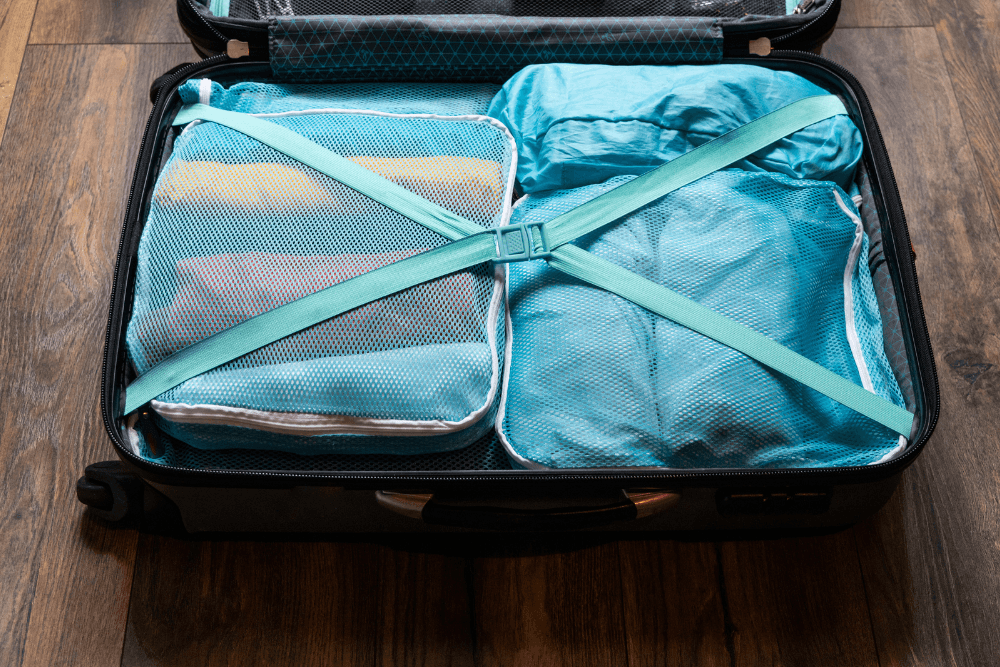
- Use packing cubes: They keep everything in place and make repacking quick and easy.
- Roll, don’t fold: It saves space and reduces wrinkles.
- Keep it light: Pack travel-size toiletries in a small toiletry pouch.
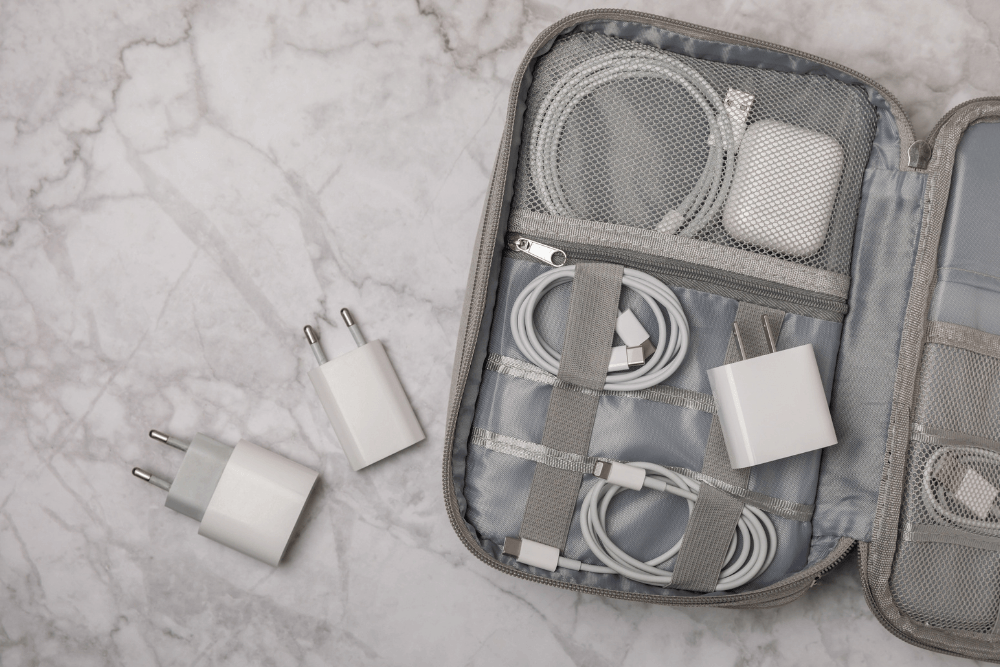
- Stay organized: Keep chargers and cables in one small pouch so you’re not digging around at the end of the day.
- Don’t forget laundry detergent: Bring a small packet to wash a few items in the sink. A small spray bottle filled with water can help remove wrinkles
Your Daypack: What You Carry Each Day
Your daypack is all you’ll have with you on the trail, so it should be comfortable and easy to manage.
We recommend a pack in the 25L range. If your itinerary includes a night away from your main luggage, you may want something closer to 30L.
Each day, you’ll want to carry:
- Water: At least 2 liters
- Weather protection: Rain gear and sun protection (sunscreen and hat)
- Layers: An extra warm layer, and possibly a hat and gloves depending on the trip
- Food: A few snacks and lunch if recommended in your itinerary
- Personal items: Anything you may want easy access to throughout the day
What to Wear on the Trail
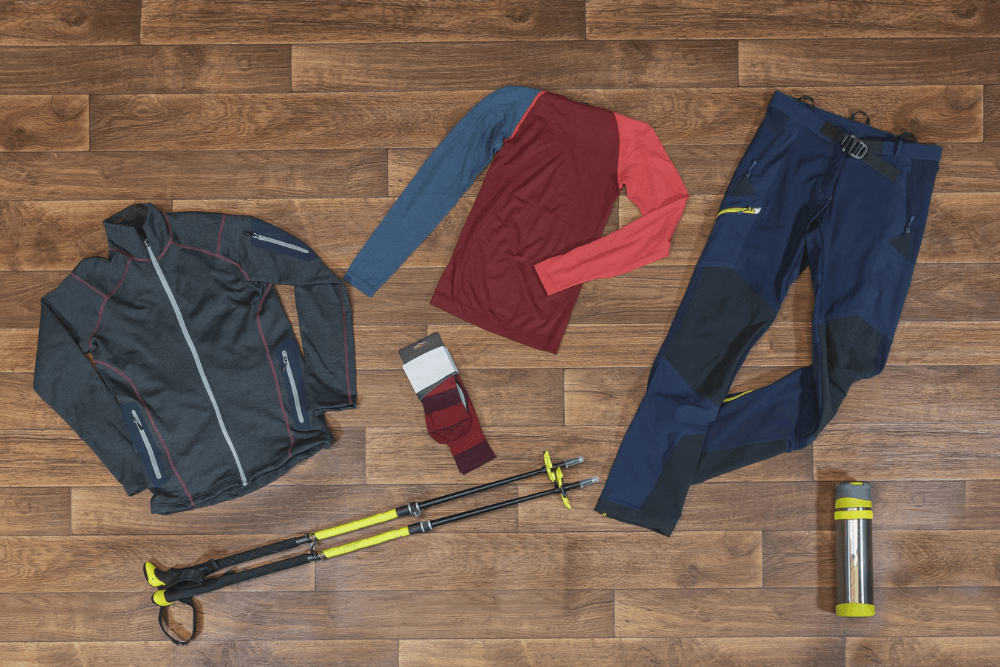
Focus on pieces that are lightweight, breathable, and easy to layer. You don’t need a different outfit every day, just a simple rotation works best.
- Base layers: Moisture-wicking and comfortable
- Mid-layer: Fleece or a lightweight down jacket
- Outer shell: Waterproof jacket and pants
- Hiking bottoms and tops: Comfortable, quick-drying pieces
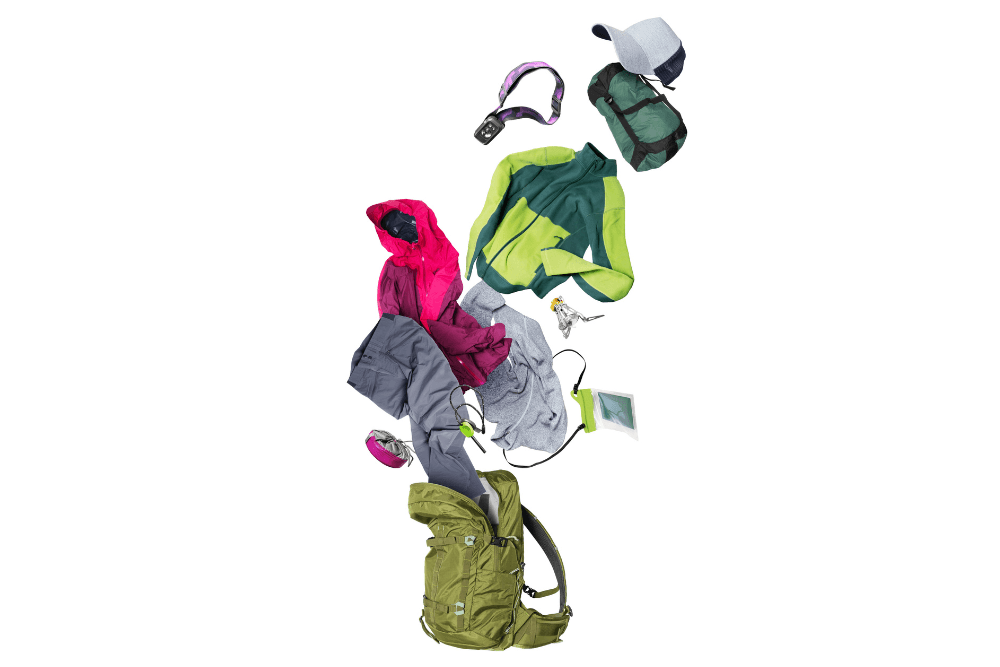
Evenings: Keep It Simple
Evenings are relaxed and comfortable. One or two casual outfits are more than enough for the week. A pair of lightweight shoes or sandals is always nice to give your feet a break after a day in hiking boots.
A Final Thought
If you’re debating whether to bring something, our advice is usually to leave it behind. A good rule of thumb: if you wouldn’t wear it at least twice, you probably don’t need it.
Packing less makes everything easier, from moving between hotels to getting out the door in the morning.
The bottom line is simple. Don’t overthink it. A few versatile, well-chosen items will take you a long way.
If you have any questions, just reach out—we’re always happy to help. And once you’re registered, we’ll provide you with a detailed packing list, tailored to your specific trip.
For more on gearing up, check out our posts on outer layers, base layers, finding the correct footwear, trekking essentials and trekking poles.
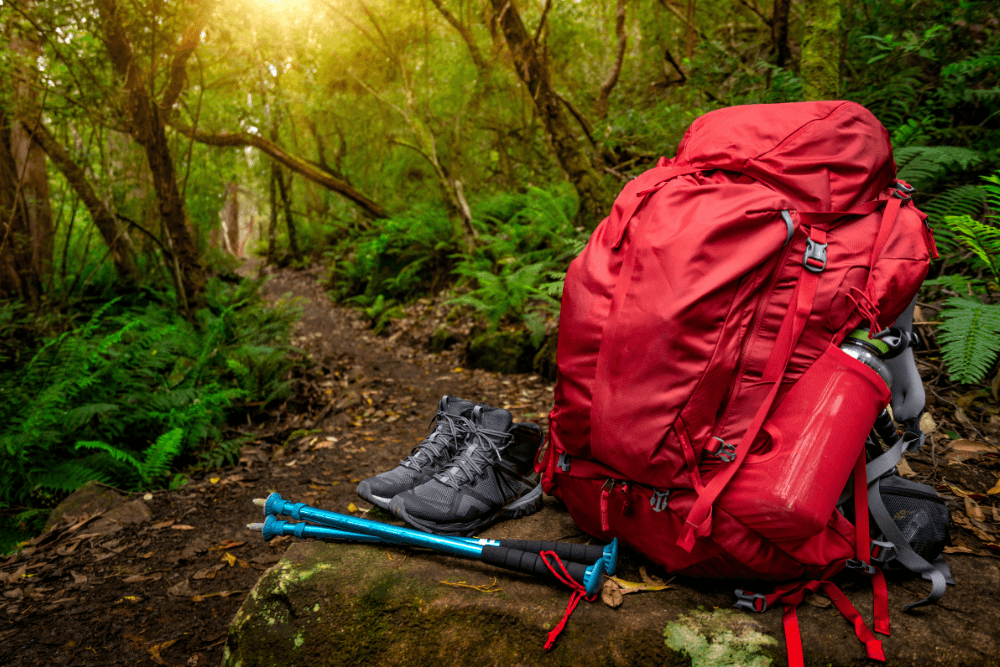
Equipment List
Below is our recommended equipment list. You’ll also receive a trip-specific version before your trip.
Daypack & Hydration
- Daypack: 30L range and larger (40L) if nights away from luggage
- Rain cover for daypack
- Water bottles or hydration system (minimum 2 liters capacity)
Footwear
- Hiking boots or trail shoes (well broken-in, waterproof, breathable)
Layers & Clothing
- Waterproof, breathable rain jacket and rain pants
- Mid-weight insulating layer (fleece, wool, or lightweight down)
- Moisture-wicking base layers (top and bottom)
- Hiking pants or shorts (lightweight, fast-drying)
- Short- and long-sleeve tops (synthetic or Merino wool)
- Wool or performance hiking socks and undergarments
Daypack Accessories
- Sun hat, sunglasses, and SPF 50 sunscreen
- Warm hat and lightweight gloves
- Collapsible trekking poles (must be packed in checked luggage)
- Small umbrella (optional but recommended)
Personal & Miscellaneous
- Tissues
- Swimsuit (optional, depending on accommodations)
Optional Trail Items
- Phone, camera, or tablet
- Charging cables and travel adapter
- Lightweight knife or multi-tool
- Binoculars
- Knee or ankle supports
- Watch with alarm
- Favorite trail snacks or energy bars
First Aid Essentials
Guides carry a full kit on guided trips; on self-guided treks, be sure to bring your own basics.
- Hand sanitizer
- Blister care (Compeed + moleskin)
- Bandages and sterile pads
- Antiseptic wipes and antibiotic ointment
- Pain relievers (Ibuprofen, aspirin)
- Antihistamines
- Medication for stomach upset or motion sickness
- Tweezers, safety pins, nail clippers
Trip-Specific Additions
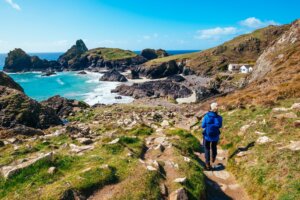
Coastal Treks
- Sandals or flip-flops
- Light layers for breezy conditions
- Optional: sand gaiters
Mountain Hut Treks
- Hut slippers or flip-flops to wear inside
- Earplugs
- Headlamp
- Essential toiletries: small soap bar, toothbrush/paste, moisturizer
- Prescription medications
- Sleep sack and small travel towel (optional for some huts, required by others)
For more information on how to gear up for a Ryder-Walker trek, visit our blog posts on outer layers, base layers, finding the correct footwear, trekking essentials and trekking poles.









Comments are closed.